
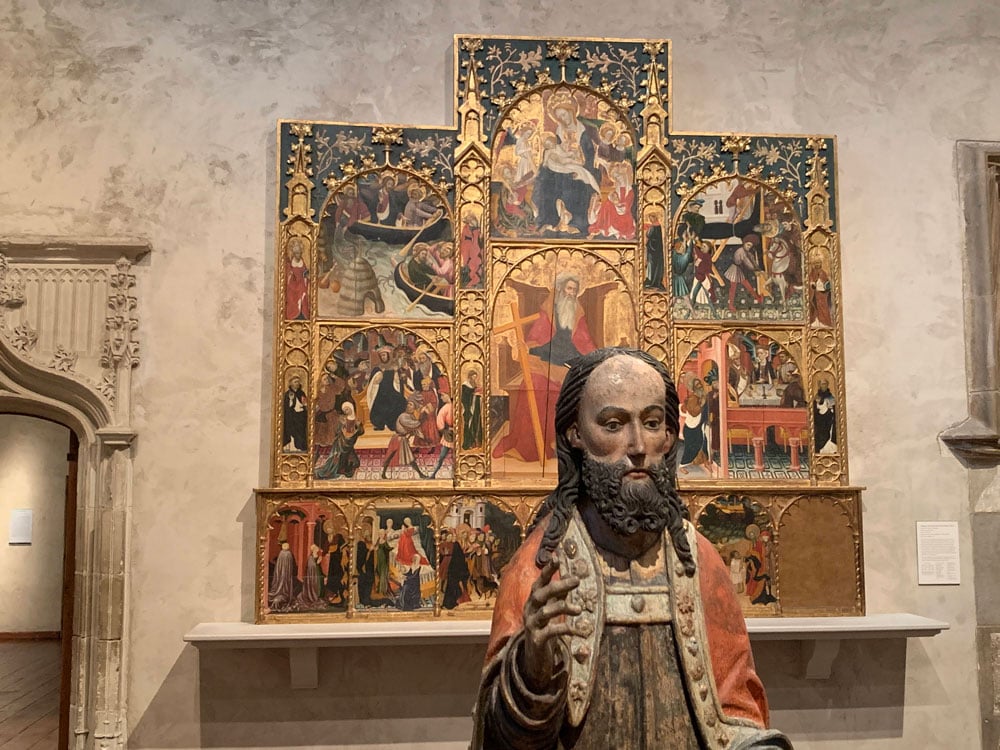
Christian nationalism often relies on a selective interpretation of “Christendom,” imagining the Middle Ages as a lost era of religious and political unity. History reveals a more fragmented reality. Medieval thinkers struggled to define the relationship between church and state. Perspectives ranged from Eusebius’ imperial boosterism to Saint Augustine’s skepticism. These complexities demonstrate that medieval Europe offers no simple precedent for modern religious nationalism.