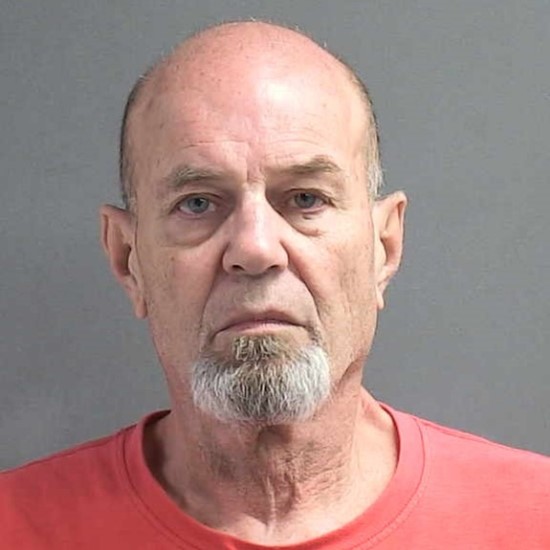

Jeani Duarte is running for Palm Coast City Council District 2. In a recent interview, she explained why she got into the race and laid out her views on the city’s charter, water rates, development, and taxes. Below is a summary of what she said, organized by topic.
How She Got Into Politics
Duarte said she has lived in Palm Coast for 10 years. She said her decision to run traces back to an August 27, 2024, city council meeting, her first one. She described watching two council members argue over a ballot measure known as Provision 3E.
“They actually were fighting on the dais,” she said. She said one member called the measure “deceptive,” but no one would second his motion to pull it from the ballot. Duarte said she seconded the motion from the audience, and a council member told her, “Ma’am, you can’t do that. Read the charter.”
She said she went home, read the city charter, and got angry at what she found. According to Duarte, Provision 3E would have removed citizens’ right to vote on issues by referendum, eliminated a spending cap, removed a 36-month repayment deadline, and lifted limits on long-term lease-purchase contracts. She said the city is pushing similar changes again this year, including stretching the repayment deadline to 30 years and raising the spending cap from $15 million to $30 million, with annual increases for inflation added in.
“Those are our safeguards,” she said. “How dare you even put that on the ballot in the first place?”
Duarte said she filed a lawsuit in 2024 to get the referendum removed from the ballot and had it dismissed, but someone else refiled the same challenge. That case ended up in a room full of attorneys, she said, and the measure went on the ballot anyway. She also said the Supervisor of Elections rejected several of her candidate petitions, forcing her to pay more than $3,000, 10% of the seat’s salary, to stay in the race.
Her Background
Duarte said she has raised six children of her own along with stepchildren, has run a bakery, and managed short-term and long-term rental properties. She said she is now retired and can commit to the council seat full time. She said she has spent the last two years studying the city’s water system, its charter, and local issues.
Transparency and the City Charter
Asked about the biggest problems facing Palm Coast, Duarte pointed to transparency. She said the city has moved forward on projects, including a data center, wastewater and drinking water programs, and a westward expansion road, without putting them to a public vote.
“They’re bypassing the vote of the electors,” she said. “That’s a big deal.”
Duarte said that if elected, she would trace transparency problems back to their source, even if it puts her own pay at risk. “I’m retired. I don’t need it. I don’t care,” she said.
She pointed to changes made to the city charter in 2018 through what she described as three amendments. She said the section of the charter listing council and mayor pay disappeared after that election, along with a section requiring city ordinances to be readopted periodically. She cited Florida Statute 166.031, which she said requires charter changes to go through either a citizen petition or a city ordinance, and in both cases, to go to a public vote. She said that never happened.
She also raised the city’s 2011 switch from odd-year to even-year elections, saying it was placed on a primary ballot rather than a general election ballot, which she said state law requires for that kind of change. “The 2026 election is not legitimate unless they call it a special election,” she said.
Duarte also referenced a pay raise she said the mayor and council approved for themselves on April 19, 2022, a 164% increase for the mayor and a 151% increase for council members, along with yearly bonuses tied to staff raises. “We never approved that,” she said.
Development and the Westward Expansion
On development, Duarte said the city should make better use of assets like the beach, the Intracoastal Waterway, Interstate 95, rail lines, and the historic Old Kings Road. She proposed drawing “stop-and-go” travel revenue, comparing her idea to travel plazas that draw drivers off the interstate briefly without becoming full destinations. She floated the idea of a “luxury rail line” that could include a museum or library. “We don’t want to keep building homes. We want revenue,” she said.
On the westward expansion, a long-planned development project, Duarte said the city and the developer each blame the other for funding a connecting loop road through wetlands. She said the project relies on state funds that were sought under what she called “false pretenses” and should go back to the state. She estimated the wetlands annexation would amount to a “$126 million gift to the developer.” She said elected officials should not feel pressured by developers threatening lawsuits. “Each person has one vote,” she said. “You get enough people voting no, it’s a done deal.”
Property Taxes and City Spending
When asked about a statewide property tax measure on the November ballot, Duarte said Palm Coast should renegotiate how it splits tax revenue with Flagler County, saying the city currently receives about 23 cents of every dollar collected. She also raised concerns about rising water bills, which she said are increasing at a minimum of 4% a year, on top of annual staff raises of up to 3%.
She criticized several city expenses, including a $300,000 renovation tied to water damage at a staff building, and compensation for the city manager and city attorney, which she said totals over $300,000 and includes a $120,000 raise for the attorney. She also said that a past city manager created an assistant or deputy city manager position, which she said isn’t authorized in the charter, at a cost of more than $500,000.
“People need to earn their raises,” she said. “I don’t know of anyone who gets a 5% raise. We’re certainly not.”
Water Quality and Billing
Duarte referenced a recent boil-water notice and a city water report that she said noted bacteria could originate from sewage treatment plants or septic systems. She also said the city’s wastewater treatment plant is located near a drinking water treatment plant and a landfill, which she called a poor planning decision, also mentioning her concerns that the city has a wastewater-to-drinking-water program.
On billing, she described a system with a base rate, a usage rate for incoming water, and an “exit rate” for wastewater that is calculated from the incoming water meter even though there is no meter on outgoing wastewater. She said residents used to get credit for water used on lawns or pools that didn’t return to the sewer system, but no longer do. She also criticized a transaction fee for paying water bills that she said the council had voted against before it appeared on city payments anyway.
“Our water is going to be over our mortgages if we don’t stop this,” she said. “People are selling their homes just over the water rates.”
Why She’s Running
Duarte closed by contrasting herself with her opponents. “I’m not a politician. I’m not a developer or a builder. I’m not a lawyer. I am a resident,” she said. She said one opponent is new to the community and hasn’t done research on the issues, and that another has been in Palm Coast longer but supports moving forward with the westward expansion. She said she is the candidate most focused on the “health, safety, and welfare” of residents.
This article is based on statements made by Jeani Duarte in an interview. Claims about city actions, budgets, and legal requirements reflect her characterizations and have not been independently verified.
The post Palm Coast Council Candidate Jeani Juarte Says City Hall Is Hiding Too Much From Voters first appeared on Flagler County Buzz.